

Complex Stories. Simple Experiences.
Let B2B buyers explore your solutions, understand your value, and experience your difference in minutes, not meetings.
Scroll for more

Is Your Marketing Missing a Spark? Your Marketing Team Knows The Struggle.
You're competing for attention at every trade show. Your sales team struggles to demonstrate your full capabilities. Website visitors bounce before grasping your value proposition. And somehow, you need to make complex B2B solutions, technical workflows, and specialized expertise... engaging.
Whether you're selling industrial equipment, healthcare systems, logistics software, or professional services, the challenge is the same: complexity kills engagement.
Traditional marketing treats your audience like passive viewers. PDFs, videos, even live demos force them to watch instead of explore. That's why 87% of B2B buyers say vendor content doesn't address their needs.
The solution isn't more content. It's interactive experiences that put control in your customers' hands.

Marketing That Lets Customers Touch, Configure, and Experience
Experiential marketing for B2B manufacturing means creating interactive moments where customers engage with your products on their terms. Not gimmicks. Not one-off activations. Reusable experiences that work across your entire customer journey.
Think layers, not overhauls. Add interactive elements to what's already working:
-
Trade Shows
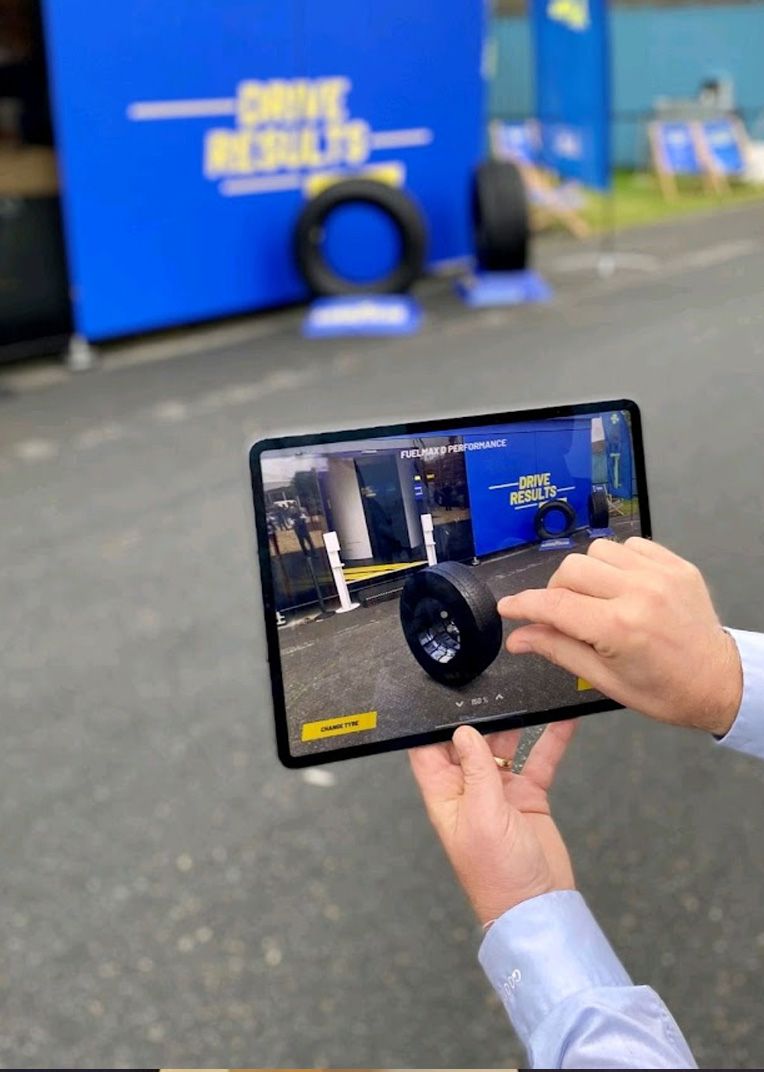
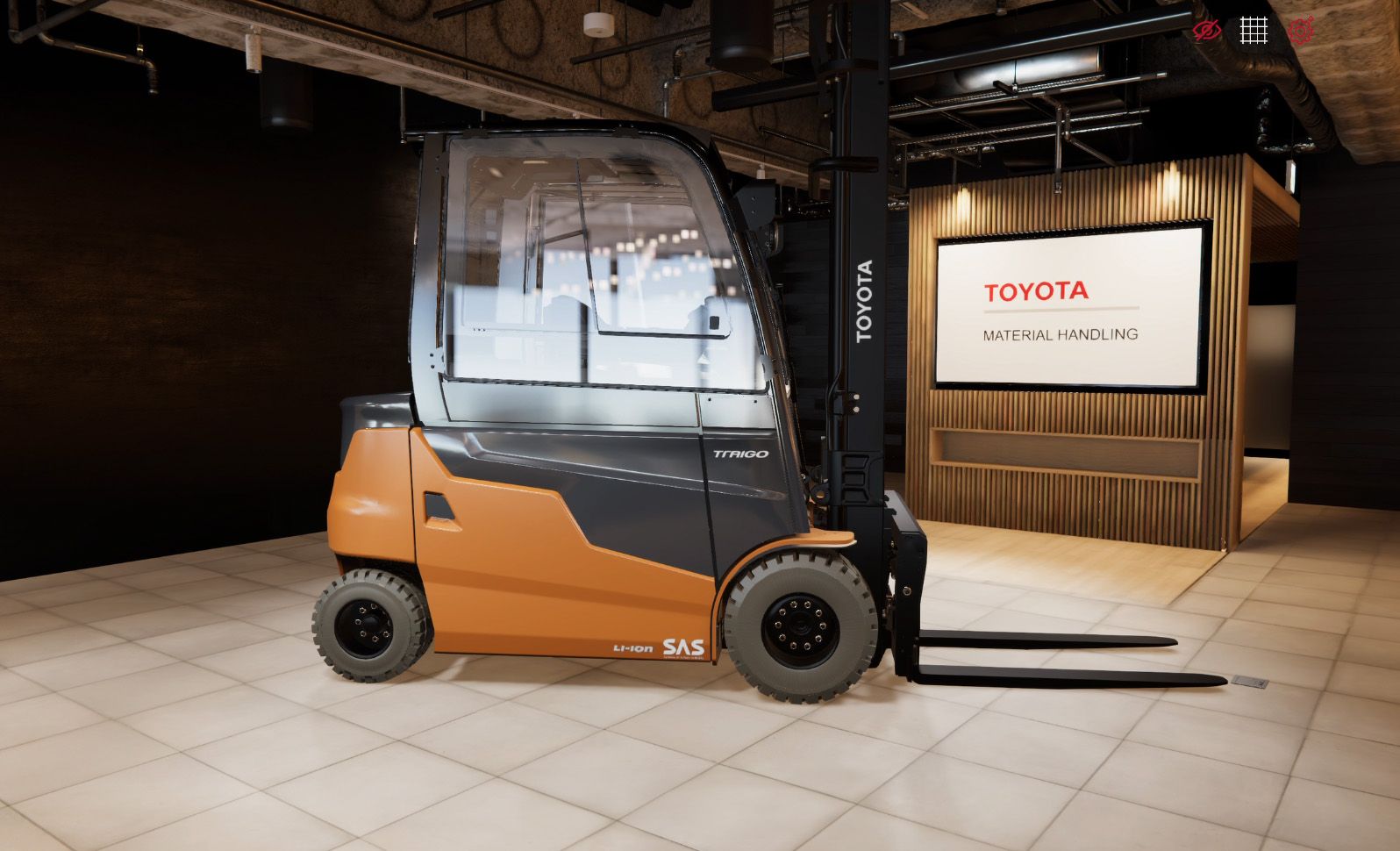
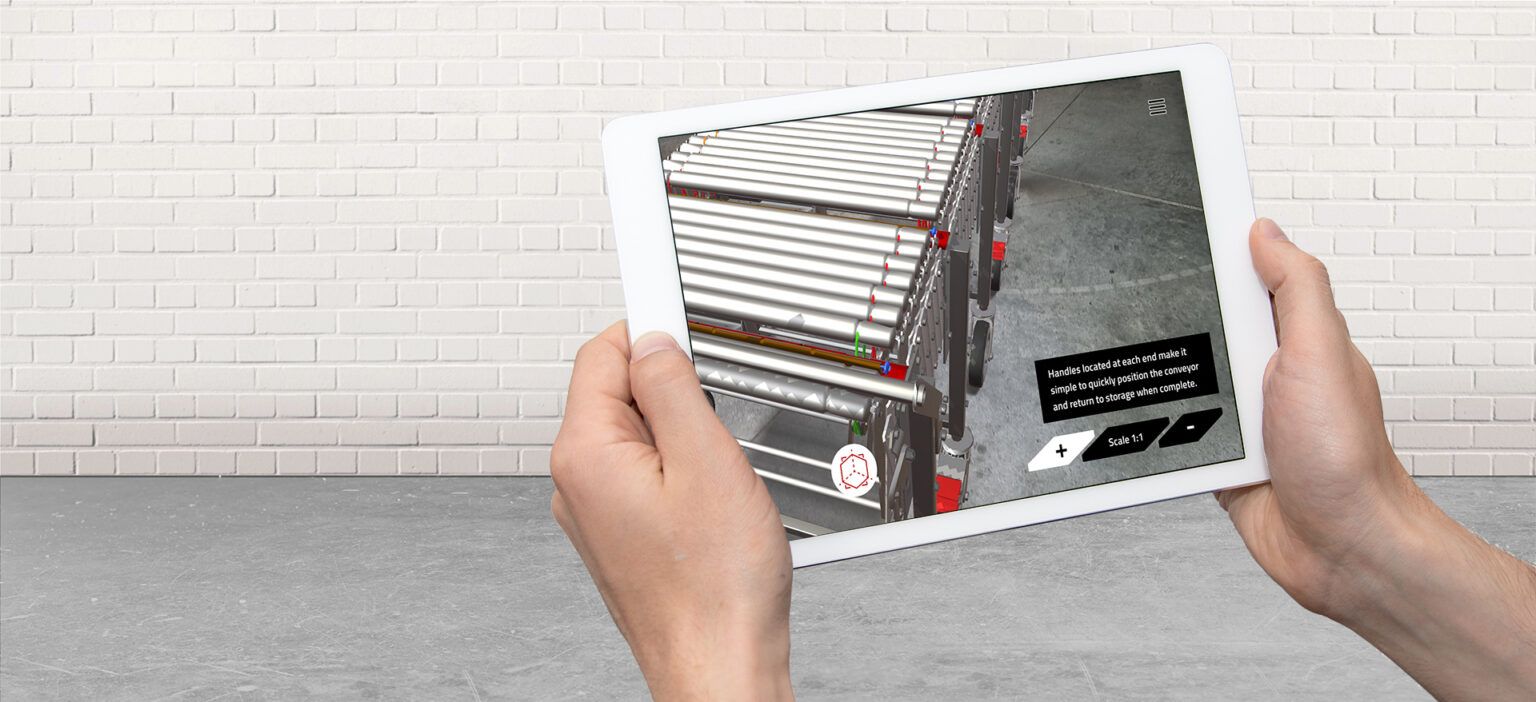
Let visitors configure products on tablets while waiting for demos
-
Websites
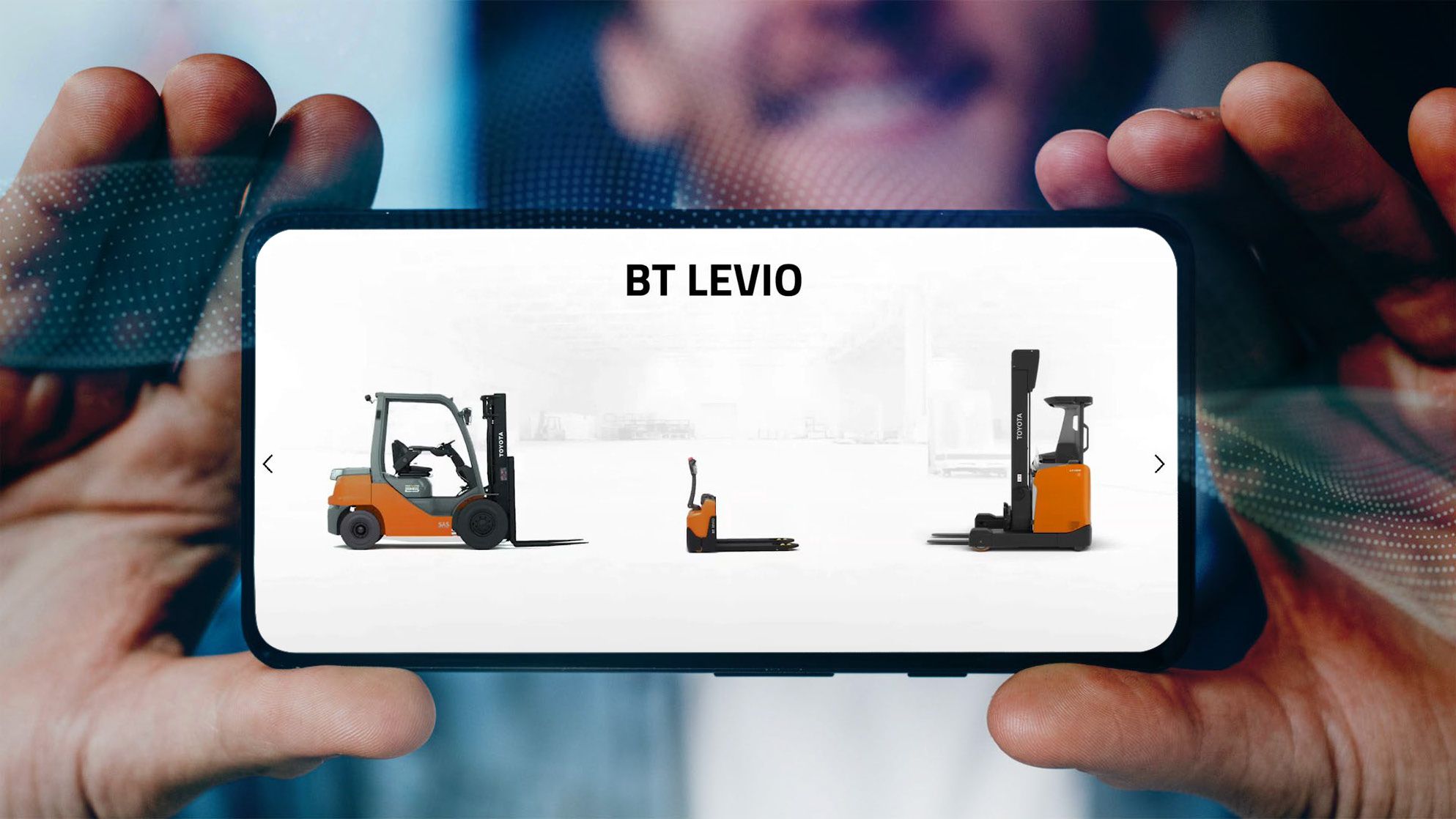
Add 3D product explorers that reduce "request quote" friction by 40%
-
Sales Meetings
Give reps tools to build custom solutions in real-time
-
Experience Centers
Create memorable moments that visitors actually share
-
Email Campaigns
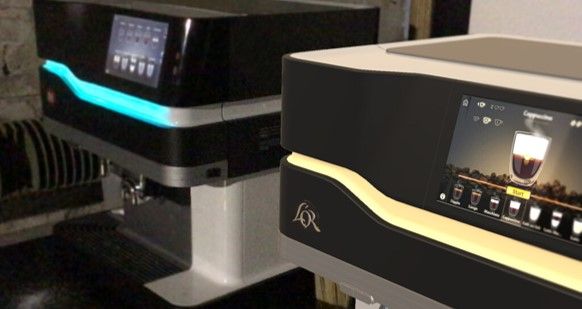
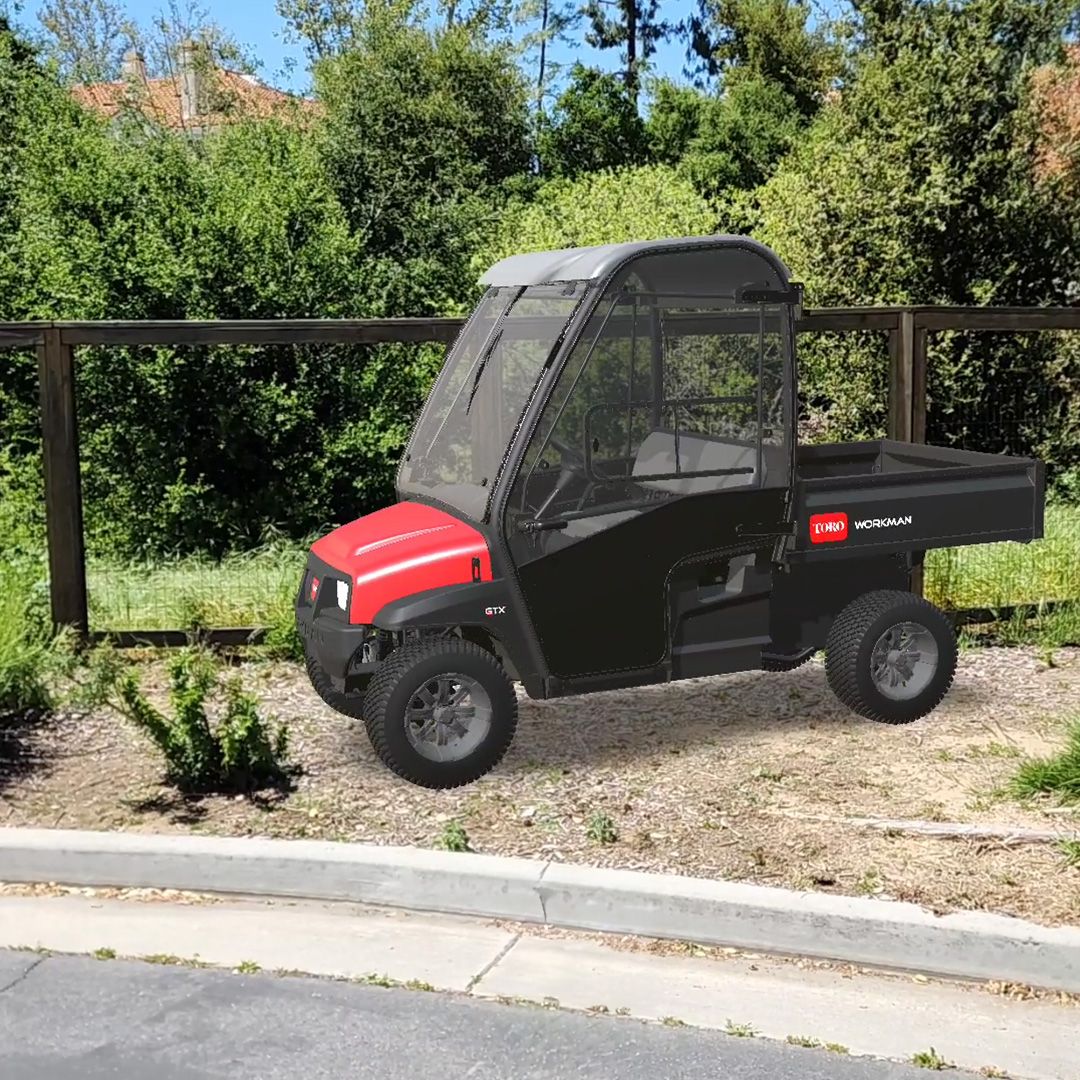
Include AR links that let prospects visualize your solutions in their context
-
Service & Support
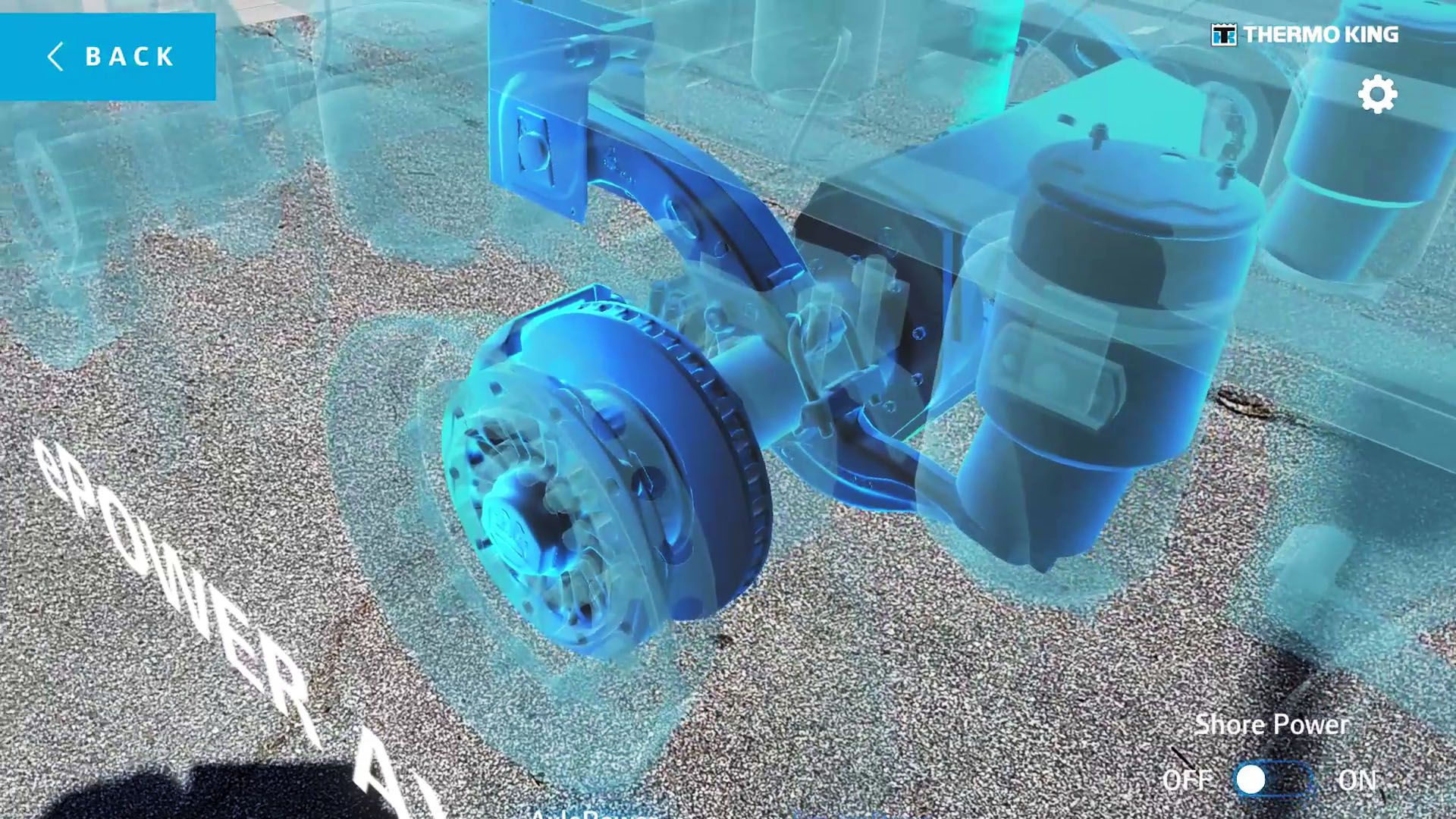
Enable technicians to guide customers through processes with AR overlays
Your Story, Made Interactive (In Weeks, Not Months)
1. Start With What You Have
We build on your existing materials: CAD files, process diagrams, training content, brand assets. No starting from scratch.
2. Create Once, Use Everywhere
One interactive experience powers your website, sales tools, training, and events. Products, services, processes, all unified.
3. Add Layers As You Grow
Begin with web-based 3D. Add AR when sales needs it. Expand to VR when you're ready. Each layer builds on the last.
4. Measure What Matters
Track engagement time, interaction patterns, and interest areas. Understand what resonates with your audience. Real data for real decisions.

Where Interactive Experiences Make The Biggest Impact
-
Trade Shows & Industry Events
Stop losing leads to flashier booths. Interactive experiences that showcase your capabilities, not just your catalog. Works for any B2B vertical.
-
Complex Sales Enablement
Equip your team with tools that turn technical conversations into collaborative solution-building sessions. Essential for long B2B sales cycles.
-
Executive Briefing Centers
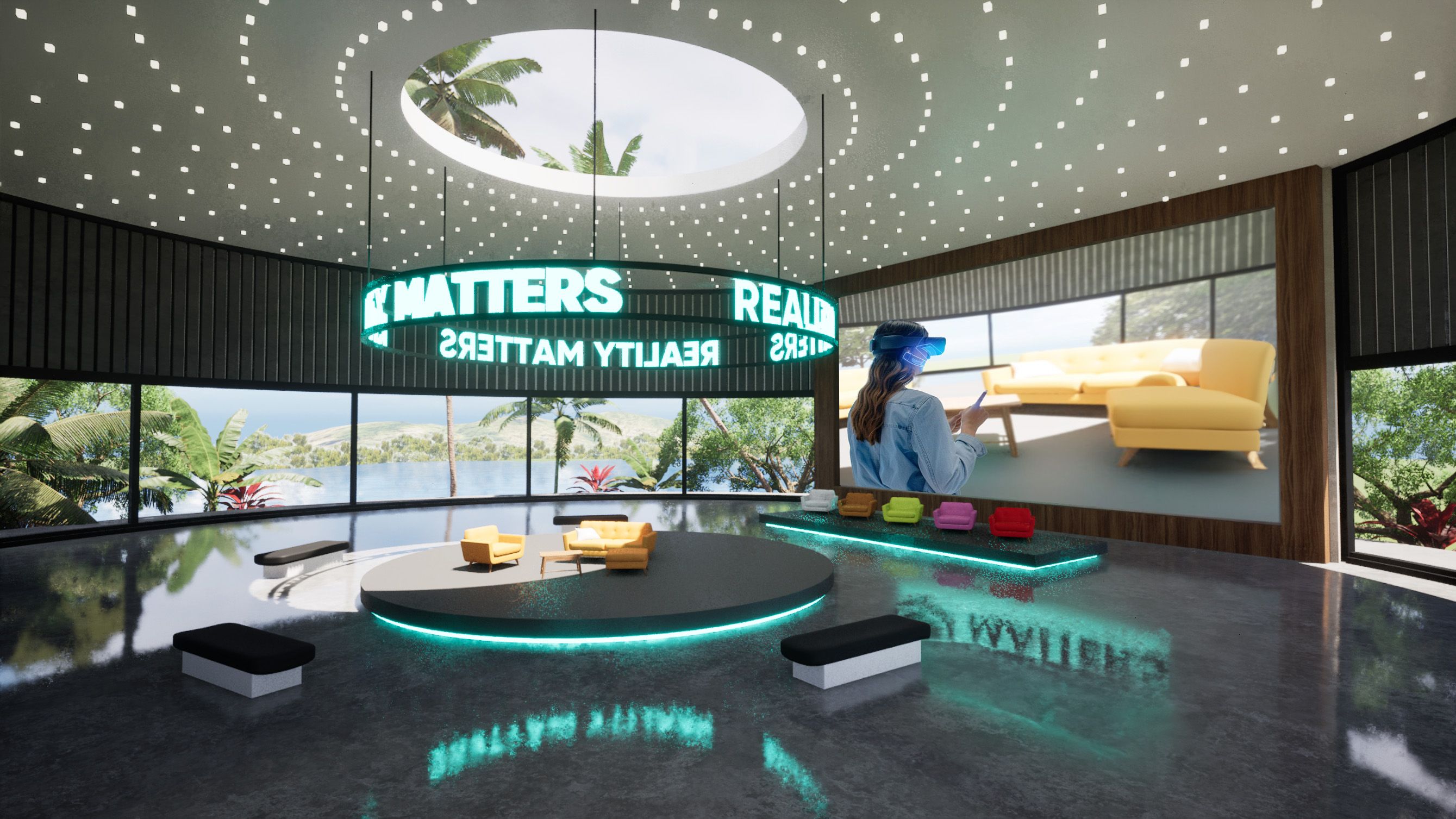
Transform static meeting rooms into exploration spaces where every aspect of your business tells its story through interaction.
-
Digital Transformation
Convert website visitors with interactive journeys that demonstrate your expertise before they even call. Critical for modern B2B marketing.
-
Training & Knowledge Transfer
Accelerate learning and reduce errors with hands-on practice in safe, virtual environments. From employee onboarding to customer education.
-
Stakeholder Alignment
Get faster buy-in from boards, committees, and decision-makers with experiences they can explore rather than presentations they endure.
The Market Is Ready. Your Competitors Aren't.
B2B buyers across every industry expect consumer-grade digital experiences. They want to explore, configure, and understand your complete offering before they talk to sales. Companies delivering these experiences are winning larger deals, faster.
Meanwhile, your competitors are still debating whether to "go digital." That hesitation is your opportunity.
The technology is proven. Costs have dropped 70% since 2020. Implementation takes weeks, not quarters. And unlike five years ago, your customers' devices can handle it.
Based in Europe and North America, we understand both European precision and American innovation. We speak your language, whether that's Dutch, French, English, or the complexities of your industry.

Three Ways To Begin Your Interactive Journey
-
1. Experience Audit (Free)
We review your current marketing and identify the highest-impact opportunities for interactive layers. One call, multiple "aha" moments. Any industry, any challenge.
-
2. Pilot Project (4-6 weeks)
Pick one challenge: a complex service to explain, a process to demonstrate, or a solution to showcase. We'll create an interactive experience you can test with real customers.
-
3. Full Experience Strategy
Comprehensive roadmap for adding interactive layers across marketing, sales, training, and service. For teams ready to transform how they engage.
FAQ's About Immersive Marketing
Need more clarity?
Still have questions?
Here are a few common questions about immersive marketing.
What is the typical ROI timeline for immersive marketing infrastructure?
Most organizations see measurable impact within the first quarter. Initial deployment takes 4-8 weeks. Early indicators like engagement time and sales conversation quality appear immediately. Harder metrics like shortened sales cycles become clear within 90-180 days. The compounding effect happens when you stop recreating content for every event and start reusing assets across sales, marketing and training. Organizations that treat this as infrastructure see ROI multiply over 12-24 months as adoption spreads and use cases expand.
How does this integrate with our existing CRM, marketing automation and sales tools?
Integration happens at the data layer. Interactive experiences generate engagement data that flows into Salesforce, HubSpot, Marketo or whatever platform you use. Track which products prospects explored, which configurations they built, how long they engaged. The experiences embed directly into websites, sales presentations, tablets or demo centers without requiring new infrastructure. Your teams use existing tools. The immersive layer makes those tools more effective by adding clarity and engagement data.
What happens when our product portfolio changes or we launch new solutions?
This is where infrastructure proves its value. When built properly, updates flow through the entire system instead of requiring recreation. Add a new product variant and it appears across the configurator, sales tool, website and training module automatically. Change a specification and it updates everywhere at once. This eliminates the multiplication of costs that happens with traditional content where every change requires touching multiple assets across multiple teams.
Do we need specialized internal resources to manage this, or can our current team handle it?
Your current team manages ongoing operations once the foundation is built. Initial setup requires specialized expertise in 3D optimization and experience design. That is where we come in. Once live, your marketing team updates content, sales deploys it, and regional teams adapt messaging without technical skills. Most clients designate one experience owner for coordination, but that is strategic ownership, not technical management. The goal is creating tools your teams can actually use.
How do we prevent this from becoming another one-off project that dies after launch?
Strategic ownership prevents this. When leadership treats it as infrastructure serving sales, marketing, training and operations, it becomes permanent. Building with reusable layers means every new initiative builds on what exists rather than starting over. Measuring engagement data keeps the system relevant because you see what works and improve continuously. This fails when organizations treat it as a project with an end date rather than a capability that evolves.
Can we start small and scale, or do we need to commit to a full transformation?
Start small and scale is the recommended path. Begin with one high-value use case. A configurator for your most complex solution. An interactive experience for your flagship booth. A sales tool for your longest cycle. Prove the model, measure impact, then expand systematically. The infrastructure approach means each addition builds on the last. You are not choosing all-in or nothing. Small start, systematic scale, measurable results at each stage.
How do we know if our organization is ready for this, or if we should wait?
Three indicators suggest readiness. If sales cycles are longer than you want and complexity is part of the reason, immersive clarity accelerates decisions. If you spend significant budget on events but struggle to extend impact beyond them, reusable infrastructure solves that. If regions present your portfolio inconsistently, unified experiences fix the root problem. If any apply, waiting costs more than moving. The question is whether current friction justifies the investment. For most strategic leaders, that math is clear.

Ready To Make Your Value Impossible To Ignore?
Stop losing deals to companies with better stories. Start winning with experiences that let customers truly understand everything you bring to the table.
Whether you're selling industrial equipment, professional services, or enterprise software, we turn your complexity into your competitive advantage.